Sunday, November 6, 2011

BOW 7 (Blog of the Week)

How a  vaccination can stop a virus?

A  vaccination can stop a  virus because a  vaccine is a preparation of weakened or killed pathogens. When injected into the body, a  vaccine sometimes prompts the body to produce immunity to the disease. Immunity is the body's ability to destroy new pathogens.


Reference: mendmed.com/2010/12/09/influenza-vaccination-information/ 

Thursday, October 27, 2011

Cell Movement BOW 6 (BLOG OF THE WEEK)

Diffusion- the spread of particles through random motion from regions of higher concentration to areas of lower concentration


Reference: http://en.wikipedia.org/wiki/Diffusion

Facilitated diffusion- molecules that cannot diffuse across the cell membrane's lipid bilayer on their own move through protein channels instead.

Facilitated Diffusion

Reference: http://biology.about.com/od/cellularprocesses/ss/diffusion_2.htm

Active transport- when cells move materials in the opposite direction against a concentration difference
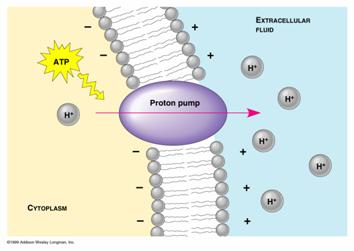

active transport


Reference: http://www.daviddarling.info/encyclopedia/A/active_transport.html

Endocytosis- the process of taking material into the cell by means of infoldings, or pockets, of the cell membrane
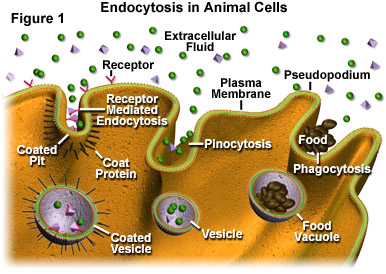
Endocytosis Mechanisms


Reference: http://micro.magnet.fsu.edu/cells/endosomes/endosomes.html

Osmosis- the diffusion of water through a selectively permeable membrane


 Reference: http://water.me.vccs.edu/courses/env108/lesson5.htm

Thursday, October 13, 2011

The three different cells BOW 5 (Blog of the Week 5)

Neuron cells


A neuron is known as an electircally charged cell that processes and transmits information by electrical and chemical signaling. Neurons connect to each other to form networks. Neurons are the core components of the nervouse system, which includes the brain and the spinal cord. Neurons are a type of cell that are found in the bodies of most animals.

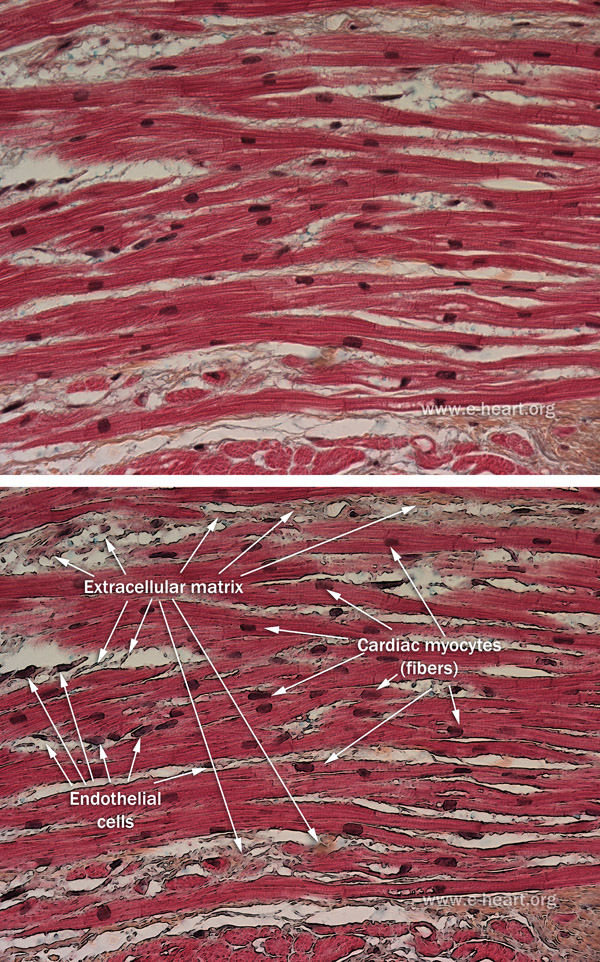
Myocyte


A myocyte is the type of cell found in muscles that arise from myoblasts. Each myocyte contain long chains of sarcomeres, which are the contractile units of the cell. The forms of myocytes are the skeletal, cardiac, and the smooth muscle ells. The cardiac myocytes generates the electrical impulses that control the heart rate.

Epithelial tissues


The epithelial tissues line the surfaces and cavities of structures throughout the body, and may also form glands. The functions of the epithelial cells include secretion, protection, selective absorption, regulation and exchange of chemicals between underlying tissues, and detection of sensation.The epithelial cells can also be organized into clusters of cells that function as endocrine and exorine glands.

Saturday, October 8, 2011

Comparing microscopes BOW 4 (Blog of the Week 4)

 Electron Microscope


Compound Light microscope


Electron microscopes can produce images almost 1000 times more detailed than light microscopes, and electron microscopes produce black and white images while light microscopes produce color images. Light microscopes cannot produce clear images of objects smaller than 0.2 micrometers, which is about 1/5 of the diameter of a typical cell. Compound light microscopes can only produce clear images of objects at a magnification of about 1000 times. Compound light microscopes make it possible to study dead organisms and their parts, and to observe some tiny organisms and cells while they are still alive.

Friday, September 30, 2011

The five major nutrients-BOW 3 (Blog of the Week 3)

Fats-Your body needs certain fatty acids to produce cell membranes, myelin sheaths, and certain hormones.

Carbohydrates-carbohydrates are the main source of energy for the body.

Protein-proteins supply raw materials for growth and repair structures such as skin and muscle.

Vitamins-the orgainc molecules that help regulate body processes, often working with enzymes
vitamin C
Water- every cell in the human body needs water because many of the body's processes, including chemical reactions, take place in water

Wednesday, September 21, 2011

Wordle: Scientific method

To start an experiment using scientific method, you need to gather information and resources, form a hypothesis, test your hypothesis, analyze the data you collected, interpret your data, make a conclusion about your experiment, and record your results.